

From Applicant to Advocate:
Turning Candidates into Brand Ambassadors
The long-term value of a positive candidate experience
In recruitment, it is easy to focus on the immediate outcome: vacancy filled, offer accepted, placement complete. But the candidate journey does not end when someone is rejected, shortlisted, hired, or placed elsewhere. Every interaction leaves an impression, and that impression can either strengthen or damage your employer brand.
A positive candidate experience has long-term value far beyond one role. It can turn applicants into future hires, loyal customers, referral sources, and vocal advocates for your business. In a competitive property recruitment market, where reputation travels quickly, candidates are not just applicants. They are potential brand ambassadors.

Why candidate experience matters more than ever
Candidates today are more informed, more connected, and more willing to share their experiences. Whether through online reviews, social media, professional networks, or word of mouth, the way a business treats applicants can quickly become part of its wider reputation.
For estate agencies, lettings businesses, property management firms, and wider property employers, this matters. The sector relies heavily on relationships, local reputation, and trust. A poor recruitment experience can suggest poor internal culture, weak communication, or a lack of professionalism. A strong experience does the opposite.
Even candidates who are not hired may remember how they were treated. If they felt respected, informed, and valued, they are far more likely to speak positively about your company. That goodwill has commercial value.
The applicant is also your audience
Too many employers view candidates only through the lens of suitability.
Do they have the right experience?
Can they perform the role?
Are they a cultural fit?
Those questions matter, but they are not the full picture. Every applicant is also part of your audience. They may be a future employee, a future client, a landlord, a tenant, a homeowner, or someone with influence in the local property market.
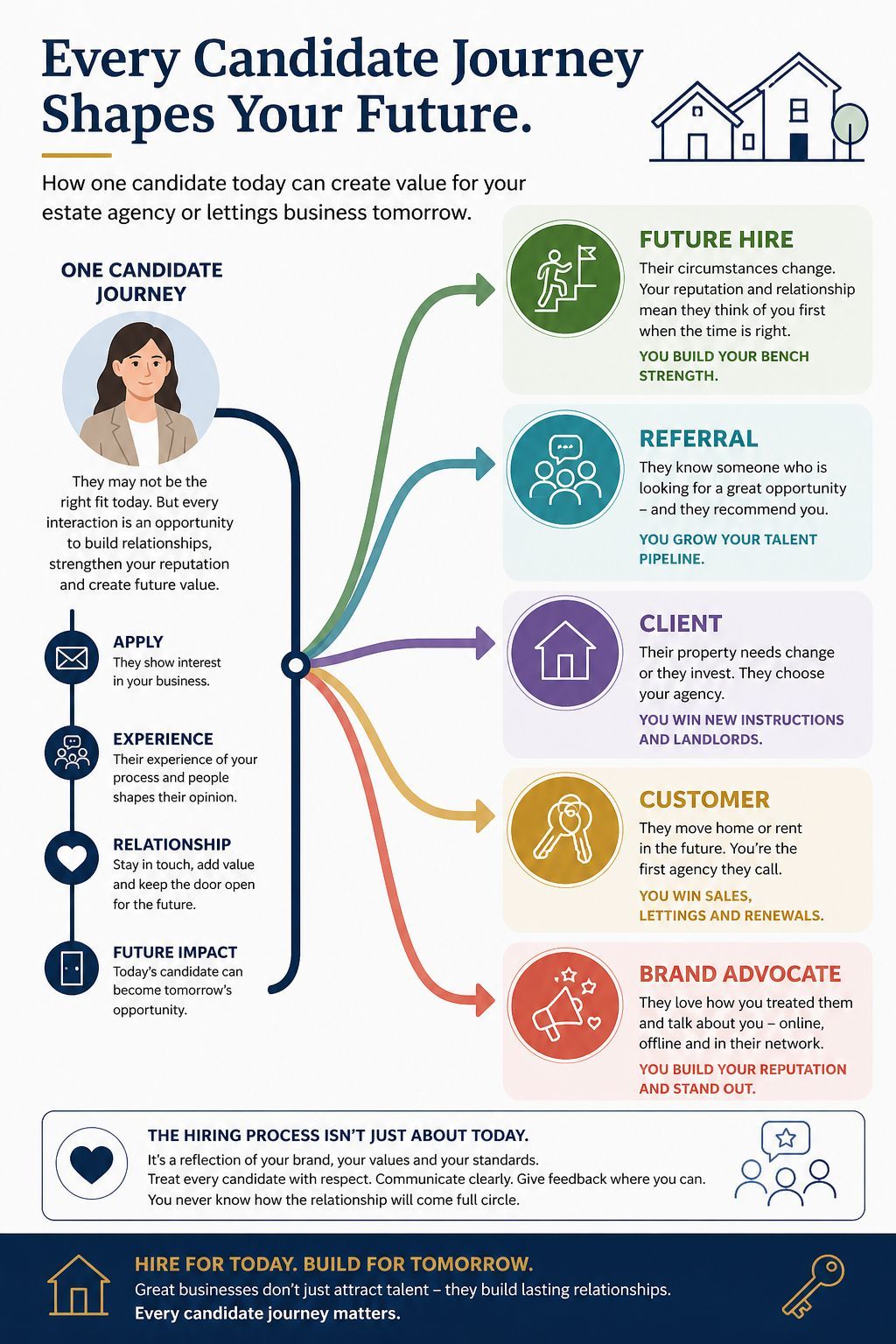
A candidate who has a poor experience may not simply walk away from the vacancy. They may walk away from the brand entirely. In contrast, a candidate who is treated well, even when unsuccessful, may continue to respect the business and recommend it to others.
This is particularly important in property, where personal recommendations often carry significant weight. A candidate who becomes an advocate can contribute to your reputation in ways that traditional marketing cannot easily replicate.
Communication is the foundation of trust
One of the most common frustrations candidates have is silence. They apply, hear nothing, attend an interview, then receive no update. This creates uncertainty and damages trust.
Clear communication is one of the simplest ways to improve the candidate experience. It does not need to be complicated. Acknowledging applications, setting expectations, giving timely updates, and closing the loop after interviews all make a meaningful difference.
Candidates understand that not everyone can be successful. What they often struggle with is being ignored. Respectful communication shows that your business values people, not just outcomes.
For hiring managers, this is also a reflection of leadership. If your recruitment process is disorganised, slow, or impersonal, candidates may assume the same is true of your working environment.
Rejection can still build loyalty
A rejection handled badly can damage your brand. A rejection handled well can actually strengthen it.
Many candidates will apply for roles that are not quite right for them at that moment. They may lack a specific skill, be too early in their career, or not match the requirements of the current vacancy. That does not mean they will never be right for your business.

A constructive rejection keeps the relationship open. Thank the candidate for their time, be honest where possible, and offer useful feedback when appropriate. Even a short, respectful message is better than silence.
When candidates feel they have been treated fairly, they are more likely to reapply in future, recommend others, or continue engaging with your brand. That is a long-term recruitment asset.
Your interview process is a brand experience
An interview is not just an assessment. It is a live demonstration of your business culture.
Candidates are observing everything: how organised the process is, whether interviewers are prepared, how welcoming the environment feels, and whether the role is explained honestly. They are also judging whether the company lives up to the image it presents externally.
A strong interview process should be structured, professional, and human. Candidates should understand the role, the expectations, the progression opportunity, and the next steps. They should also leave with a clear sense of what makes your business worth joining.
This is especially important when hiring strong property professionals who may have multiple opportunities. The interview experience can be the difference between winning talent and losing it to a competitor.
Speed and professionalism influence decisions
In a competitive market, delays can cost you good candidates. Talented estate agency and lettings professionals are often speaking to more than one employer. If your process is slow, unclear, or overly complicated, they may lose interest.
Speed does not mean rushing decisions. It means being efficient, decisive, and respectful of the candidate’s time.
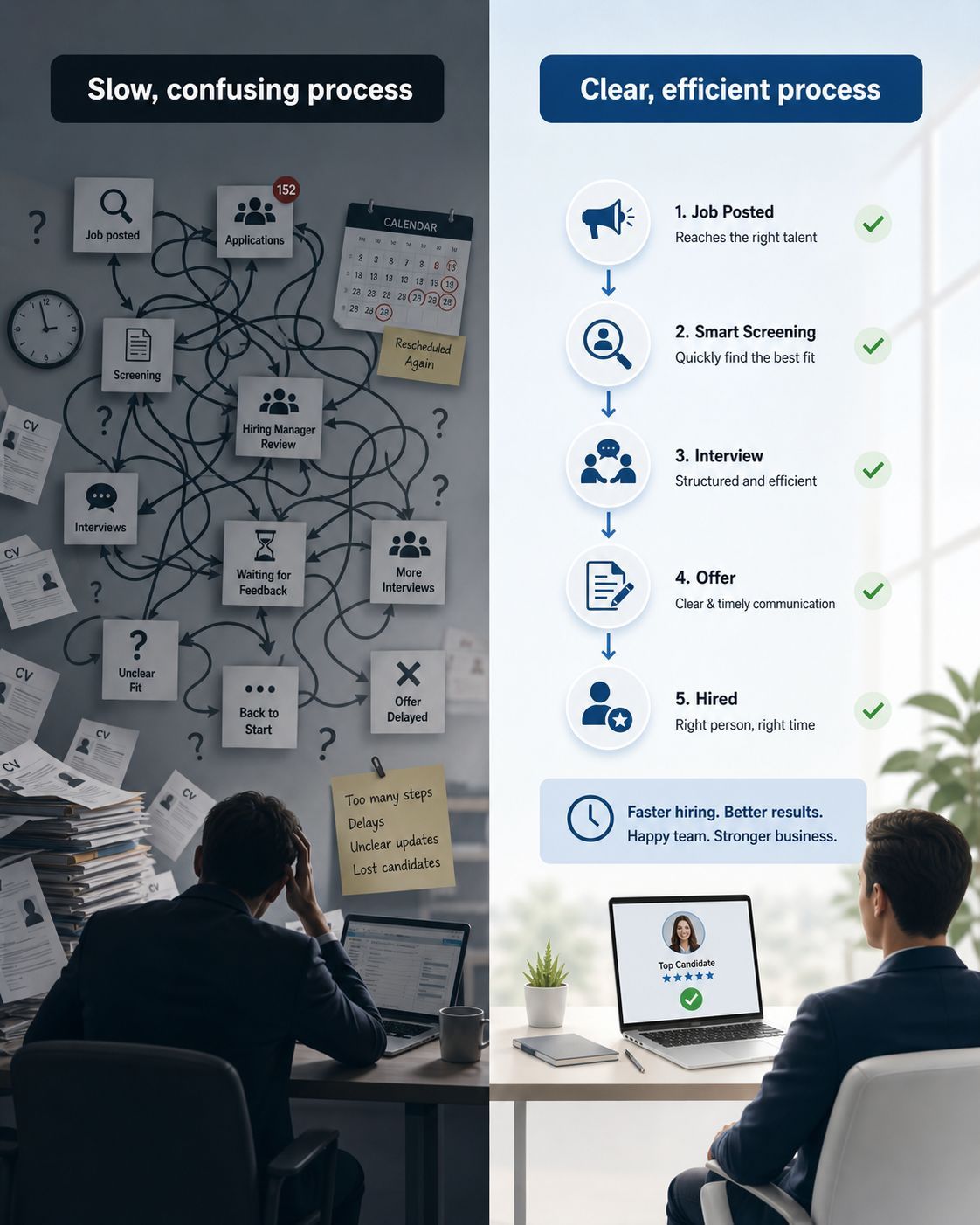
A professional recruitment process signals that your business is serious, organised, and committed to hiring well. It also gives candidates confidence that, if they join, they will be entering a company that values structure and communication.
Candidates remember how you made them feel
Skills, salary, job titles, and benefits are all important, but emotion plays a major role in decision-making. Candidates remember whether they felt welcomed, respected, rushed, dismissed, or valued.
This emotional memory affects future behaviour. A candidate who felt valued may follow your company online, apply again, refer a colleague, or speak positively about you in the market. A candidate who felt poorly treated may do the opposite.
Employer brand is built through repeated experiences. Every email, phone call, interview, and follow-up contributes to that brand. Recruitment is therefore not just an operational function. It is a reputation-building activity.
Turning candidates into ambassadors
To turn applicants into advocates, employers need to think beyond the vacancy. The aim should be to create a recruitment experience that reflects the standards, values, and professionalism of the business.
That means being clear about the role, honest about expectations, respectful with communication, and consistent throughout the process. It also means recognising that every candidate interaction has potential long-term value.
A candidate ambassador does not have to be someone you hired. It can be someone who says: “I did not get the role, but they handled the process brilliantly.”
That kind of endorsement is powerful because it is authentic.
Practical steps for hiring managers
Improving candidate experience does not require a complete overhaul. Small changes can create a significant impact.
Start by reviewing your process from the candidate’s perspective.
Is it easy to apply?
Are expectations clear?
Are interviews well organised?
Do candidates receive updates?
Are unsuccessful applicants treated with respect?
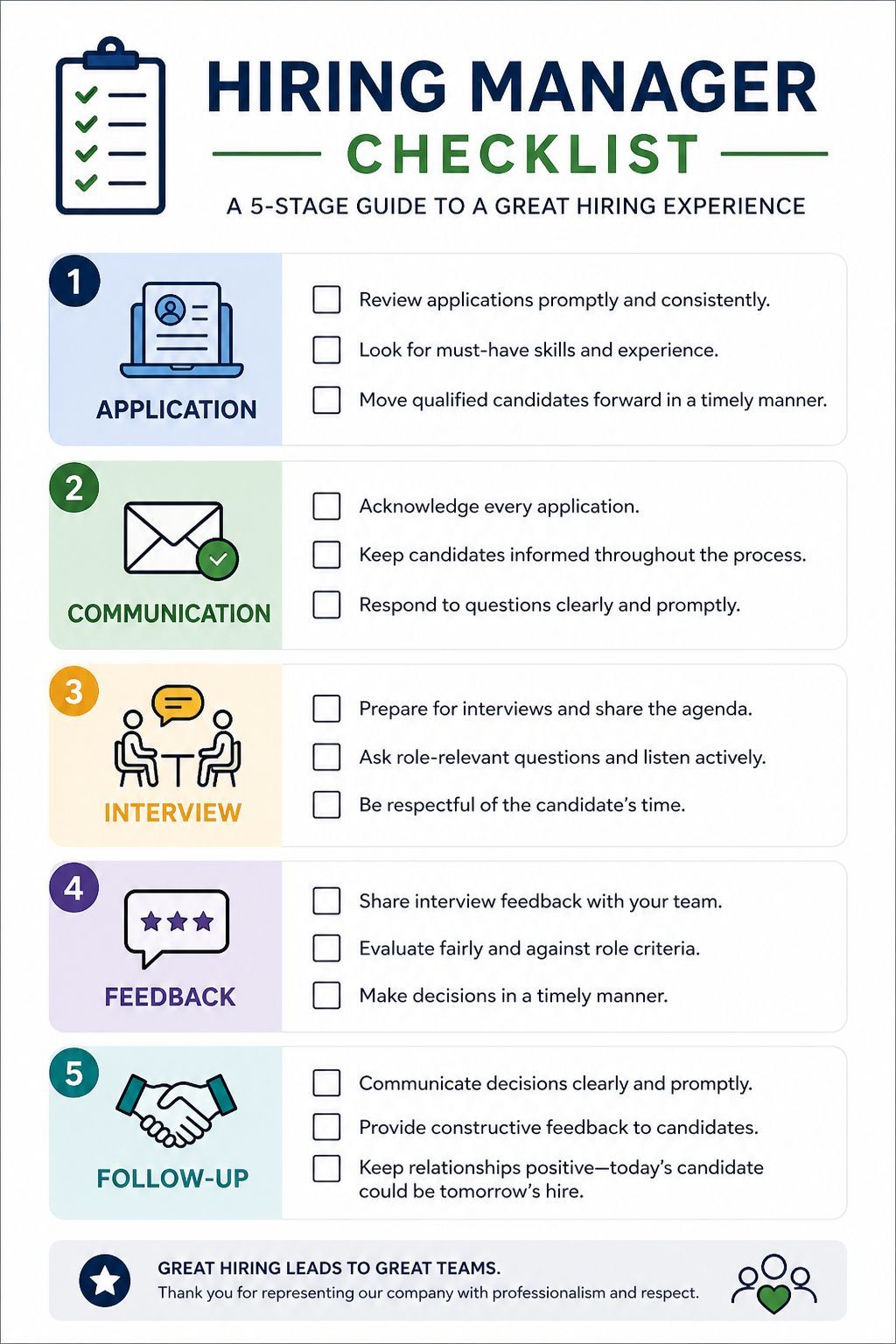
Hiring managers should also work closely with recruitment partners who understand the importance of representation. A recruiter is often the first voice a candidate hears in connection with your business. The quality of that interaction matters.
Choose recruitment partners who protect your reputation, communicate professionally, and understand the standards your brand expects.
The commercial value of a positive candidate experience
A strong candidate experience can support talent attraction, reduce dropouts, improve offer acceptance, increase referrals, and strengthen employer reputation. It can also reduce the risk of negative word of mouth.
For property businesses, this is particularly valuable. The market is relationship-led, reputation-sensitive, and highly competitive. The way you recruit tells people a lot about the way you operate.
When candidates become advocates, your recruitment process starts working harder for your business. It does not simply fill vacancies. It builds trust, visibility, and credibility in the wider market.
Conclusion
Every candidate interaction matters. Whether someone joins your business or not, they leave with an impression that can influence your reputation for months or even years.
A positive candidate experience is not just a courtesy. It is a strategic advantage. It helps employers attract better talent, protect their brand, and build long-term goodwill in the market.
The strongest businesses understand that recruitment is not only about selecting people. It is about building relationships. Treat candidates well, and some of them will become far more than applicants. They will become advocates.
👉
Contact Us Today!
- 📞 Call: 0116 232 5181
- 📧 Email: contact@windmill9.uk
- 💻 Website: www.windmill9.uk
- Visit The Windmill9 LinkedIn Page